November 28, 2026
Preparing a Safe Outing Plan for Someone Who May Wander
By @connectedcare
Planning an outing for someone who can become disoriented does not need to feel restrictive. The aim is to make the trip predictable, calm and easy to adjust if the person becomes unsettled. A good plan starts before anyone leaves the house and continues through the return journey. It should cover where the person might go, who can help, and what will happen if they become separated from the group.
Because risks can change from one place to the next, keep the plan simple enough that everyone understands it. Long instructions are easy to forget during a busy day. Short routines, repeated in the same order, are more useful. A wearable medical alarm can be part of that routine when it offers SOS alerts, GPS location checks and two-way calling. Familyr provides wearable medical alarms in New Zealand with those features, along with fall detection and no monthly monitoring fee.
Start with the person, not the place
Begin by thinking about what makes the person vulnerable to getting lost. Some people become confused in unfamiliar places. Others recognise a place but struggle to explain where they are. Some respond well to familiar routes, while others become anxious in crowds, traffic or loud buildings. Write down the patterns that matter most, using plain language that another helper can follow.
This first step shapes every later decision. If the person responds to simple cues, the plan might include a short phrase such as "We are going to the cafe, then home." If they resist repeated questions, build the plan around quiet check-ins rather than constant prompting. Watch for signs that a place is too demanding, such as pacing, withdrawal, raised voice or repeated attempts to leave. Those signs are not failures. They are useful information for choosing a calmer outing next time.
It also helps to agree on what a successful outing looks like. It may be a short walk to a familiar shop, a visit to a quiet park or a brief appointment. The goal does not need to be a full day away from home. Shorter trips with fewer transitions are often easier to supervise and easier to recover from if something changes.

Choose a route with clear boundaries
Once the destination is set, map the route in a practical way. Note the entrance, the exit, the place where the group will meet if separated, and any areas the person should avoid. Look for open spaces, clear signs, seating and quiet corners. Busy intersections, large car parks, poorly marked walkways and crowded event areas can make supervision harder.
For a public place, choose a meeting point that is easy to describe. A main entrance, information desk or fixed landmark is usually clearer than somewhere vague such as "near the trees." Make sure the person can recognise it, or can be guided there by a trusted adult. If the outing has several stops, decide whether the person will stay with one buddy throughout or whether responsibility will change at a set point. Handovers are where confusion often starts, so keep them brief and explicit.
Travel time matters too. A longer journey can add waiting, transfers, noise and fatigue before the main activity even begins. If the person tires quickly, plan around that rather than hoping the day will improve. A calm ten minute outing may be more successful than a complicated trip with several safeguards that nobody can manage.
Set up communication before leaving
Make sure each adult knows their role. One person should be responsible for the person vulnerable to getting lost, while another can handle tickets, food, payments or directions. This reduces the chance that everyone assumes someone else is watching. Share the meeting point and the return plan before leaving, not during the outing.
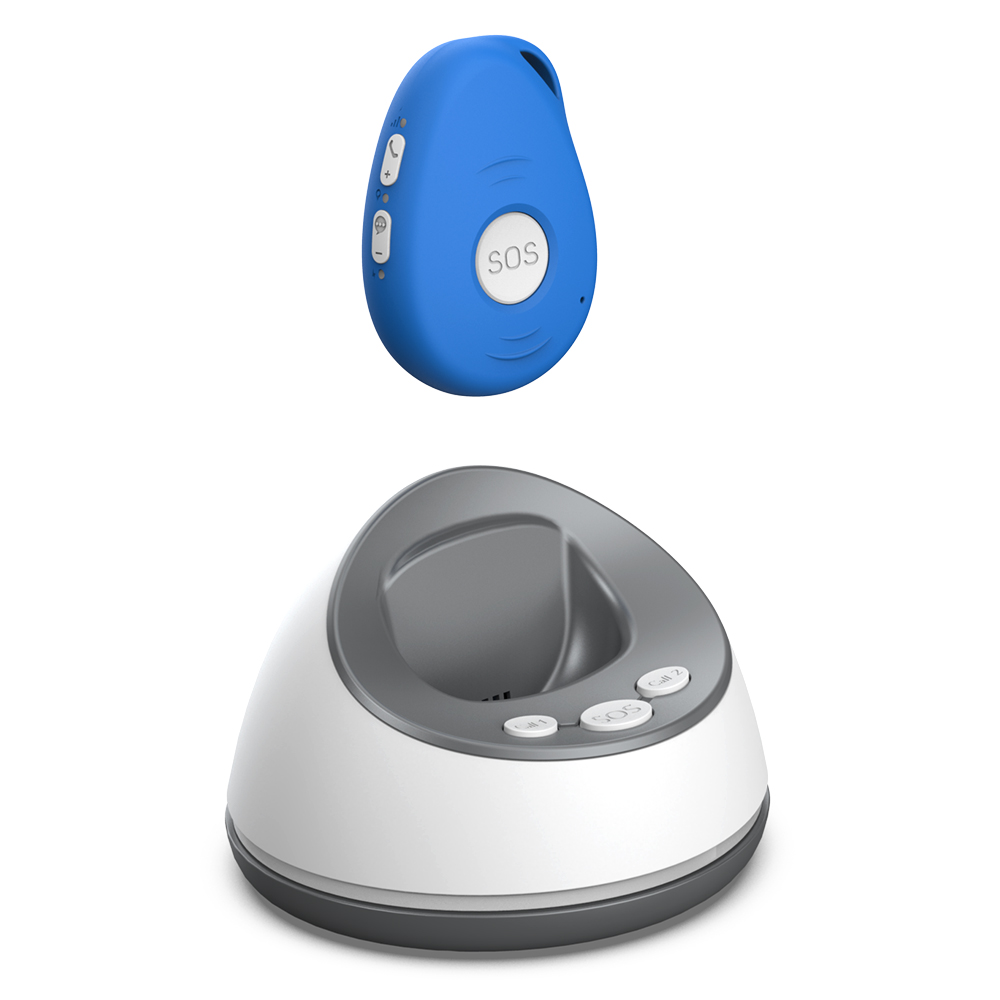
A GPS medical alarm may fit here as one layer of support rather than the whole plan. For example, Familyr Medical Alarms offers wearable medical alarms in New Zealand with SOS alerts, fall detection, GPS location checks and two-way calling. The practical value is that the person has a way to call for help and that location checks can support a search if they become separated. A device is not a substitute for supervision, and it works best when the person knows how and when to use it.
Before the day, check that the device is charged, carried in the same place each time and not buried under clothing or a bag. If the person is comfortable with it, practise a simple routine: press the SOS control when help is needed, then answer the two-way call. Keep the practice low key so it feels familiar rather than alarming. Watch for discomfort, embarrassment or refusal. If the person dislikes wearing it, forcing it may cause them to remove it at the worst moment. Talk about what would make it easier to keep on, such as a comfortable position or a consistent reminder before leaving.
Contact details are still worth carrying. A card in a pocket or bag can state the person's name, a phone number and a short note about communication needs. Keep the wording brief. The aim is to help a member of the public or a staff member respond calmly, not to share a full history with strangers.
Plan for separation before it happens
The most useful safety plan is the one that still works when the unexpected happens. Decide in advance what the first response will be if the person cannot be found. The first minutes should be orderly. One adult stays at the agreed meeting point, one checks nearby areas the person is likely to enter, and one contacts the place management or security if appropriate. Avoid having everyone search in different directions with no way to update each other.
Think in terms of likely movement rather than worst case guesses. A person who is confused may follow a familiar direction, head toward an exit, return to a previous stop or move toward something that caught their attention. Check toilets, entrances, lifts, seating areas and the path by which the group arrived. If the outing involved transport, consider whether the person might have returned to the stop or waited near the vehicle.
When a GPS medical alarm is part of the plan, use its location checks as one piece of information. A location point does not tell you why the person moved or whether they are safe. Combine it with what you know about their habits and the layout of the place. If the person does not answer a call, keep communication simple and do not crowd them once found. Approach from the front, use their name, speak calmly and give them time to settle.
In some situations, the right response is to end the outing. If the person is distressed, the place is too busy, or a helper is no longer available, cut the trip short. This is not wasted effort. A plan that allows an early exit is often what makes later outings possible.
Keep a record and refine it gently
After the outing, make a few notes while the details are fresh. Record the route, the places that felt calm, the points where the person became unsettled and whether the communication routine worked. Focus on observable details rather than judgments. "Became distressed at the music near the entrance" is more useful than "did not cope."
Use those notes to adjust the next trip. If the person wandered toward a particular area, decide whether to avoid it or build in clearer boundaries. If the SOS routine caused confusion, practise it again in a relaxed setting. If two-way calling helped, make sure the person can hear and answer it in noisy places. Familyr Medical Alarms elderly GPS tracker can be considered alongside these practical adjustments when a wearable alarm is part of the wider plan, since SOS alerts, location checks and two-way calling all depend on the person being willing and able to use them.

It is also sensible to review the plan when routines change. A new home, a change in mobility, a different companion or a new mode of transport can all affect how someone responds away from familiar surroundings. Revisit the meeting point, the buddy roles and the way the device is carried. Small updates are easier than rebuilding the whole plan after a difficult day.
Safety planning works best when it respects the person's dignity. Explain the outing in language they understand, offer choices where possible and avoid turning every moment into a test. The person should still experience the purpose of the trip, whether that is fresh air, a familiar shop, a community activity or time with someone they trust. Clear boundaries, calm adults and a simple way to call for help create the conditions for that to happen.
Before each outing, run through the same short set of checks: where you are going, who is with the person, where you will meet if separated, how the medical alarm will be carried, and what will happen if the trip needs to end early. When those answers are clear, the day has a steadier shape. That steadiness matters more than a packed itinerary, and it gives everyone a better chance of responding well if the person becomes lost or confused.
❧